
In Singapore's humidity, a mattress needs more maintenance than the same mattress in a dry climate — moisture is the thing that grows mould and feeds dust mites. The routine: vacuum monthly, spot-clean stains with cold water and a mild solution (never soak), air the mattress in airflow whenever you can, rotate it every 3–6 months, and use a washable, breathable protector so the mattress surface stays dry. A protector is the single highest-leverage habit, because it stops the sweat and humidity that cause most mattress problems here in the first place.
Your mattress absorbs sweat every single night. In Singapore, where relative humidity sits around 70–90% year-round (NEA, 2024), that moisture doesn't dry out the way it would in a temperate climate. It lingers in the foam and fabric, and over months it becomes the thing that grows mildew, feeds dust mites, and leaves your mattress smelling stale.
The good news: keeping a mattress clean here isn't complicated. It's a handful of habits done on the right schedule, plus one piece of equipment that does most of the heavy lifting. This guide covers all of it — stains, dust mites, airing, rotating, protectors, and how often each task actually needs doing.
Why Mattress Cleaning Matters More in Singapore
The problem isn't dirt. It's moisture. You lose roughly half a litre of sweat over a night's sleep, and most of it goes downward into the mattress. In a dry climate that moisture evaporates through the day. In Singapore's humidity it doesn't — the air is already close to saturated, so there's nowhere for the moisture to go.
That trapped moisture causes three problems that compound over time:
- Mould and mildew. Damp foam and fabric in warm, still air is exactly what mould needs. It often starts on the underside of the mattress where airflow is worst, so you don't see it until it's established.
- Dust mites. Dust mites feed on shed skin and thrive in warm, humid conditions — they're particularly comfortable above 50% humidity (American Lung Association, 2023), which describes nearly every Singapore bedroom. Their droppings are a common indoor allergen.
- Odour and staining. Sweat, body oils, and humidity together leave yellowing and a musty smell that builds gradually until one day you notice it.
This is why the same mattress needs more attention here than it would in Sydney or London. The cleaning tasks are the same; the frequency and the focus on moisture are what's different.

How to Remove Stains From a Mattress
The rule for almost every mattress stain: cold water, blot don't rub, and never soak the mattress. Soaking pushes moisture deep into a material that — in this climate — will struggle to dry out, and you can end up trading a surface stain for mould inside the mattress.
Fresh stains (sweat, drinks, general spills)
Mix a little mild detergent or dish soap into cold water. Dampen a cloth — wring it out so it's not dripping — and blot the stain from the outside in. Follow with a cloth dampened in plain cold water to lift the soap, then press a dry towel down firmly to pull moisture back out. Let it dry fully before re-making the bed (more on drying below).
Blood, urine, and protein stains
Always use cold water — heat sets protein stains permanently. For these, an enzyme-based cleaner works best because it breaks down the protein rather than just diluting it. Apply sparingly, blot, then blot again with cold water. A baking soda paste left for a few minutes can help draw out what's left before you blot it away.
Old or set-in stains and odour
Sprinkle baking soda generously over the area (or the whole mattress for general freshening), leave it for several hours — overnight if you can — then vacuum it off. Baking soda absorbs both moisture and odour, which makes it well suited to musty Singapore mattresses. For stubborn marks, a light cold-water solution of white vinegar can help, but always blot dry afterwards.
Whatever the stain, the drying step is non-negotiable here. A damp patch you can't see is the start of a mould patch you'll smell later.
Controlling Dust Mites in a Humid Climate
You can't eliminate dust mites entirely — no home is mite-free — but you can keep their numbers down, and that's what matters for anyone with allergies, asthma, or sensitive skin. The single biggest lever is humidity: mites struggle to survive below about 50% relative humidity, which is hard to maintain in Singapore but worth working toward in the bedroom specifically.
Practical, evidence-based steps:
- Run the aircon or a dehumidifier in the bedroom. Lowering humidity is the most effective single measure, because it removes the conditions mites need rather than just removing the mites.
- Vacuum the mattress monthly with an upholstery attachment, paying attention to seams and tufts where dust and skin collect. A vacuum with a HEPA filter stops fine allergen particles being blown back into the air.
- Wash bedding weekly in hot water. Sheets, pillowcases, and protectors washed at 60°C or above kill mites; cooler washes remove allergens but don't kill them.
- Use a washable protector and breathable bedding. A barrier the mites can't penetrate, washed regularly, keeps the mattress surface itself far cleaner. Naturally smooth fibres like Tencel Lyocell are also a less hospitable surface for mites than untreated fabrics.
These steps reduce mite allergen exposure, which can ease symptoms for sensitive sleepers. They are not a treatment for any medical condition — if allergy or asthma symptoms are significant, that's a conversation for a doctor, not a mattress guide.

Airing Your Mattress in Singapore's Humidity
Airing is where Singapore advice has to part ways with the generic internet advice. The classic tip — drag the mattress outside into direct sun — assumes dry outdoor air. Here, mid-morning outdoor humidity is often higher than your air-conditioned bedroom, so "airing" outdoors can add moisture rather than remove it. And direct tropical sun can degrade foam and fabric.
What actually works in our climate:
- Strip the bed and let the mattress breathe. When you change your sheets, leave the bare mattress uncovered for a few hours with a fan blowing across it, or with the aircon running. Moving dry air over the surface pulls trapped moisture out far better than still humid air ever will.
- Air the underside too. Stand the mattress on its side against a wall occasionally and run a fan on it. The underside gets the least airflow during normal use and is usually where mould appears first.
- Choose a base that lets air move. A slatted bed frame allows airflow beneath the mattress; a solid divan base or a mattress on the floor traps moisture against the underside. If you sleep on the floor, lift and air the mattress far more often.
- Indirect sun, briefly, if you must. A short spell by an open window with indirect light and a breeze is fine. Prolonged direct sun is not — it does more harm to the materials than the moisture it removes.
The principle is simple: in Singapore you're not airing to "freshen" the mattress, you're airing to dry it. Dry air moving across both surfaces is the goal, and a fan plus aircon usually beats the outdoors.
Rotating and Flipping: What and How Often
Rotating spreads wear evenly so you don't sink a permanent dip into the area under your hips and shoulders. An uneven mattress eventually stops supporting your spine properly, which is a real comfort and back-care issue, not just a cosmetic one.
- Rotate 180° every 3–6 months. Head to foot. This applies to almost every modern mattress, including pocket spring and hybrid designs.
- Only flip if the mattress is double-sided. Most modern mattresses — including pocket spring hybrids with a dedicated comfort layer on top — are single-sided and should never be flipped, because the support layers are built to face one way. Flipping a single-sided mattress puts the wrong layer under you. Check your manufacturer's guidance before flipping anything.
- Tie it to a habit. Rotating when you switch out your seasonal bedding, or on a fixed quarterly date, is the easiest way to remember.
If you're shopping and want a mattress engineered so support stays even, a 5-zone pocket spring design like the Tulip Cooling Back Care mattress distributes load by body region, which makes rotation enough — no flipping needed.
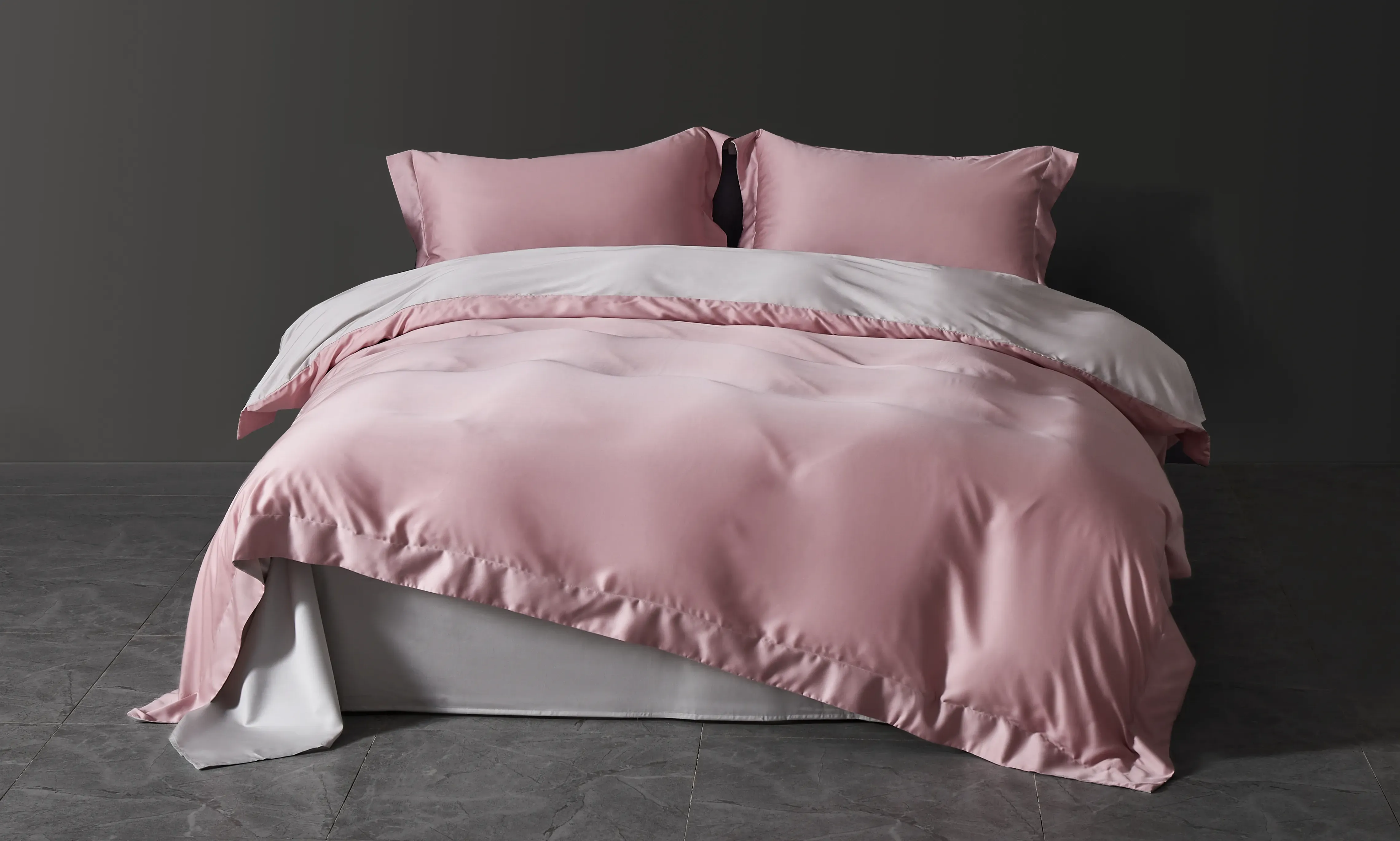
Picture: Owllight's Royal 2000TC Tencel bedding
The Mattress Protector: Your Highest-Leverage Habit
If you do only one thing from this guide, make it this. A washable mattress protector sits between you and the mattress and absorbs the sweat, oils, and spills that would otherwise sink in. When it's dirty, you wash the protector instead of trying to clean the mattress — which, as the stain section above shows, is the harder job.
In Singapore specifically, the protector you choose matters:
- Breathable, not plastic-backed. Cheap waterproof protectors use a plastic membrane that blocks airflow and traps heat and moisture against the mattress — the exact opposite of what you want here. Look for a breathable, moisture-wicking fabric.
- Washable, ideally hot-washable. A protector you can wash weekly at 60°C handles both stains and dust mites in one step.
- Tencel or similar moisture-managing fibre. Tencel Lyocell absorbs more moisture than cotton and wicks it away faster, which keeps the sleep surface drier through a humid night.
The same logic extends to what's on top of the protector. Breathable sheets like Owllight's Royal 2000TC Tencel bedding manage moisture far better than standard cotton in our humidity, so the whole stack — sheets, protector, mattress — stays drier and cleaner for longer.
How Often to Clean and Maintain Your Mattress in Singapore
Here's the whole routine on one schedule, adjusted for the local climate:
- Weekly: Wash sheets, pillowcases, and protector in hot water (60°C+).
- Monthly: Vacuum the mattress with an upholstery/HEPA attachment; air the bare surface with a fan or aircon when you change the sheets.
- As needed: Spot-clean stains immediately with cold water — don't let them set or soak in.
- Every 3–6 months: Rotate the mattress 180°; deodorise with baking soda; air the underside.
- Ongoing: Keep bedroom humidity down with aircon or a dehumidifier; use a slatted base for airflow.
Done consistently, this keeps a mattress clean, dry, and supportive for its full lifespan. But cleaning has limits — it can't restore a mattress that has structurally worn out. If yours sags, has a permanent body impression, or you wake up stiff no matter how well you maintain it, the issue is the mattress itself, not its cleanliness. That's covered in our guide on when to replace a mattress in Singapore.
See the Tulip Cooling Back Care mattress →
Frequently Asked Questions
How often should I clean my mattress in Singapore?
Vacuum your mattress monthly and air it with a fan or aircon whenever you change your sheets. Wash your sheets and protector weekly in hot water, rotate the mattress 180° every 3–6 months, and spot-clean any stains immediately. Singapore's humidity means moisture builds up faster than in dry climates, so airing and keeping the surface dry matter more here than the deep cleaning itself.
How do I remove a stain from my mattress without damaging it?
Use cold water and a mild detergent, blot from the outside in, and never soak the mattress — soaking pushes moisture deep inside, where it struggles to dry out in Singapore's humidity and can cause mould. For blood or urine, use cold water (heat sets protein stains) and an enzyme cleaner. Always press a dry towel down firmly afterwards to pull moisture back out, and let the area dry completely before re-making the bed.
Can I air my mattress in the sun in Singapore?
Direct tropical sun isn't ideal — it can degrade foam and fabric, and mid-morning outdoor humidity is often higher than your air-conditioned bedroom, so it may add moisture rather than remove it. Instead, strip the bed and run a fan across the bare mattress, or leave the aircon on. Moving dry air over both surfaces draws out trapped moisture far better than humid outdoor air.
Does a mattress protector help with dust mites and humidity?
Yes — a washable protector is the single most effective habit for keeping a mattress clean in Singapore. It absorbs sweat and spills so the mattress surface stays dry, and washing it weekly in hot water helps control dust mites. Choose a breathable, moisture-wicking protector rather than a plastic-backed one, which traps heat and humidity against the mattress.
Should I flip or rotate my mattress?
Rotate it 180° (head to foot) every 3–6 months to spread wear evenly. Only flip it if it's a double-sided mattress. Most modern mattresses, including pocket spring hybrids, are single-sided with the comfort layer built on top — flipping these puts the wrong layer under you, so check your manufacturer's guidance before flipping anything.